How six weeks of sun-drying on raised beds in Huila produces the most complex cup in our collection.
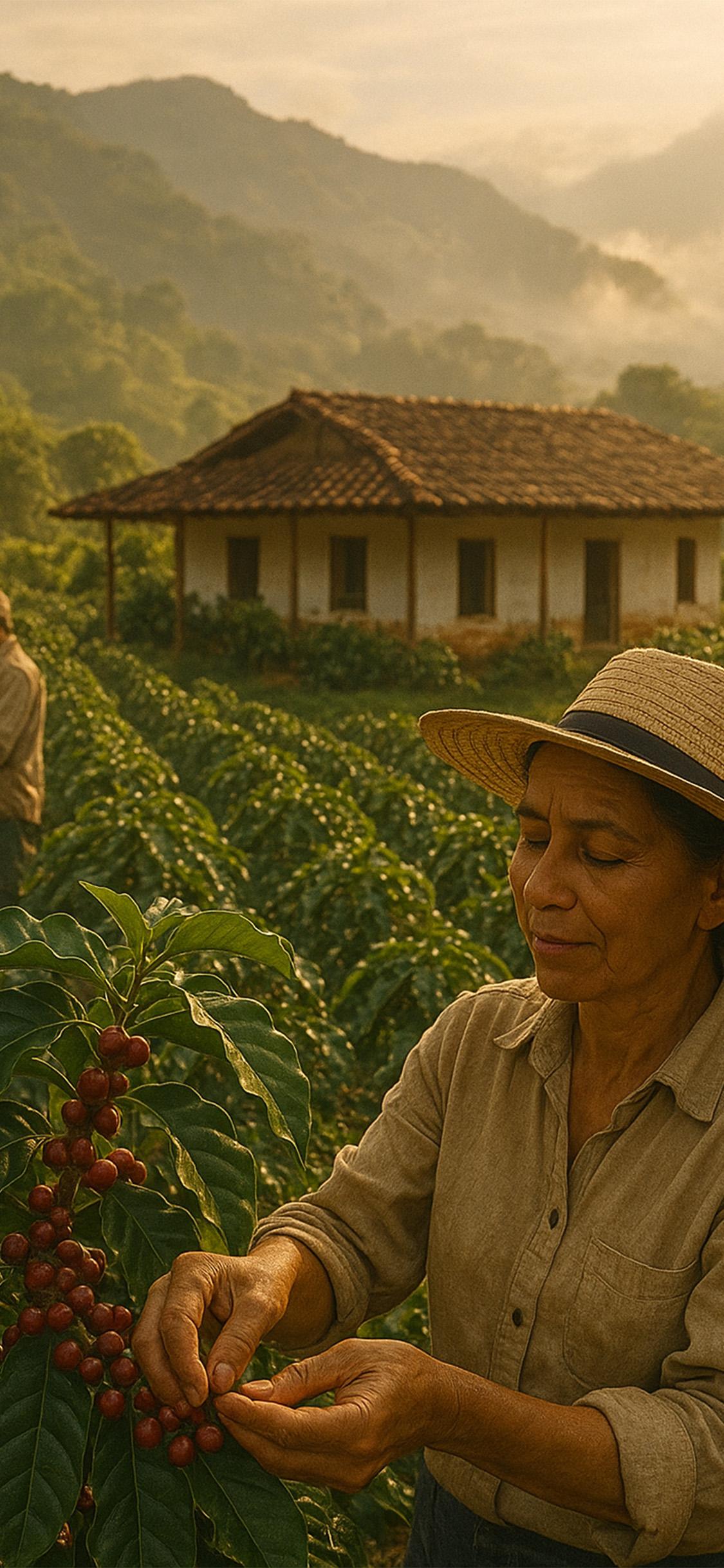
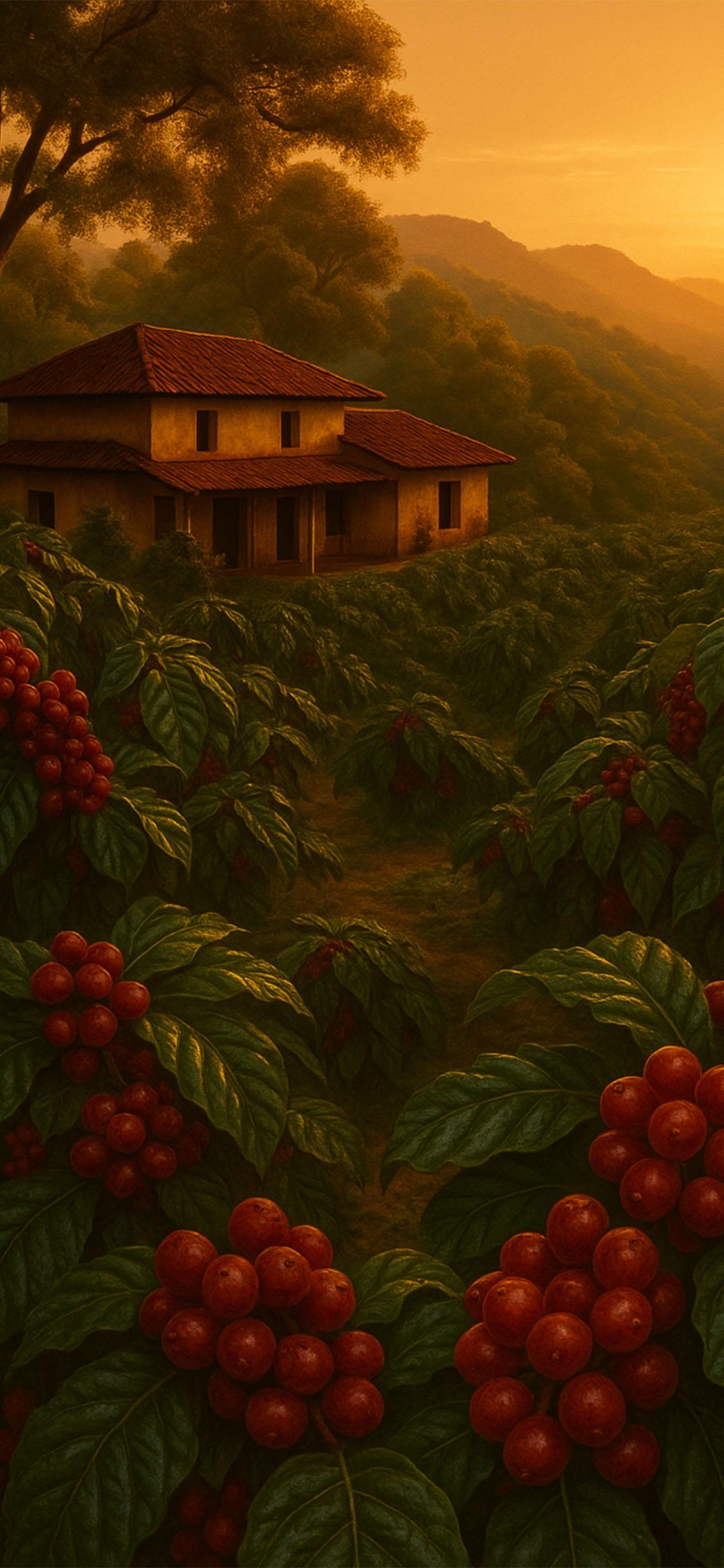
In the mountains of Huila, Colombia, there is a farm that does things differently. Where most producers rush the drying process to turn inventory faster, this family takes six weeks. Six weeks of turning the cherries by hand, three times a day, under the Andean sun. Six weeks of patience that almost no one in the commodity market would tolerate.
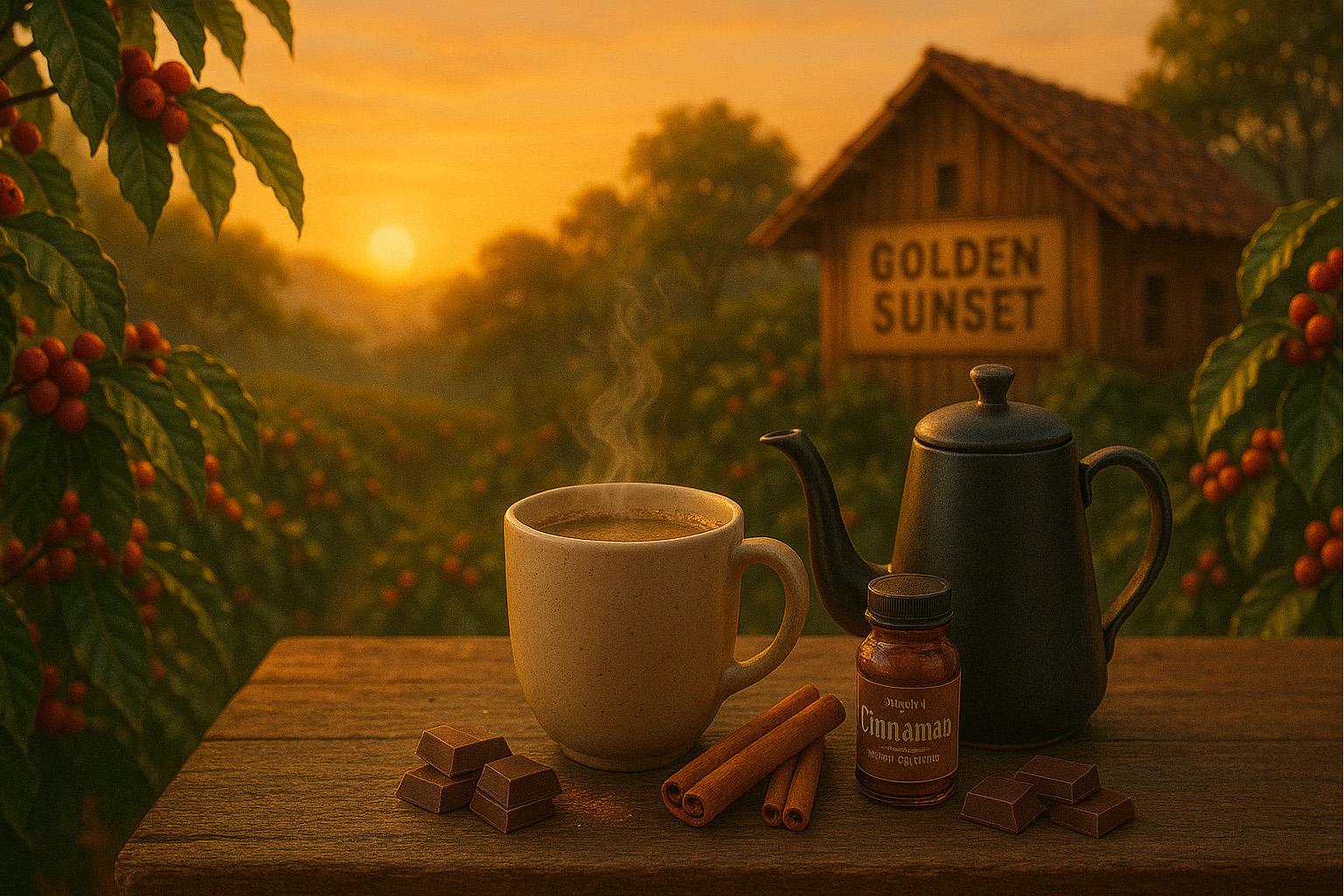
The result is what we call Golden Sunset — and the name is not marketing. It is a description. The cup unfolds the way a sunset does: warm, layered, impossible to rush. Cinnamon opens the nose, dark chocolate settles in the body, and dried tropical fruit comes through as it cools. The finish lasts for minutes.
Natural processing means the coffee cherry dries whole around the seed. During those weeks on the raised beds, the sugars from the fruit slowly penetrate the bean, creating a level of sweetness that washed coffees simply cannot achieve. It is not a shortcut — it is a different kind of craftsmanship.
Chris Rosas first encountered this lot at a cupping event in Bogotá. He cupped it blind, meaning he didn't know the producer, the farm, or the process. His notes from that session read: "Something special. This is the sunset." He tracked down the farm the same week. This is how Coffee Power works — not through catalogs, but through experience. Golden Sunset has been in the collection ever since.