The Pacamara variety produces the largest beans in specialty coffee — and one of the most nuanced flavor profiles in Central America.
Pacamara is a hybrid variety created in El Salvador in 1958 by crossing Pacas (a Bourbon mutation) with Maragogipe (a Typica mutation known for its enormous bean size). The result is a variety that looks almost comically large compared to standard coffee beans — often more than twice the size of Typica — and produces a cup of remarkable generational sweetness and complexity.
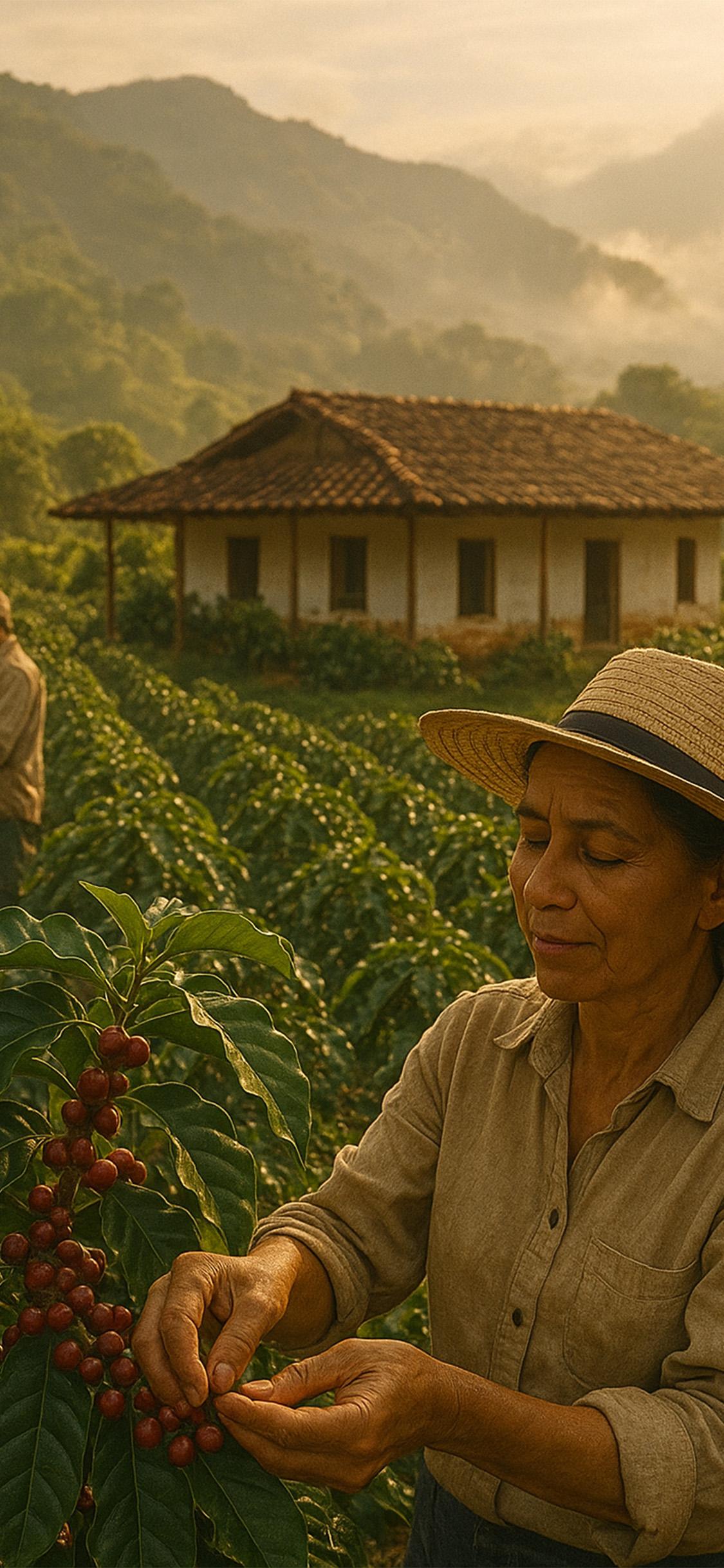
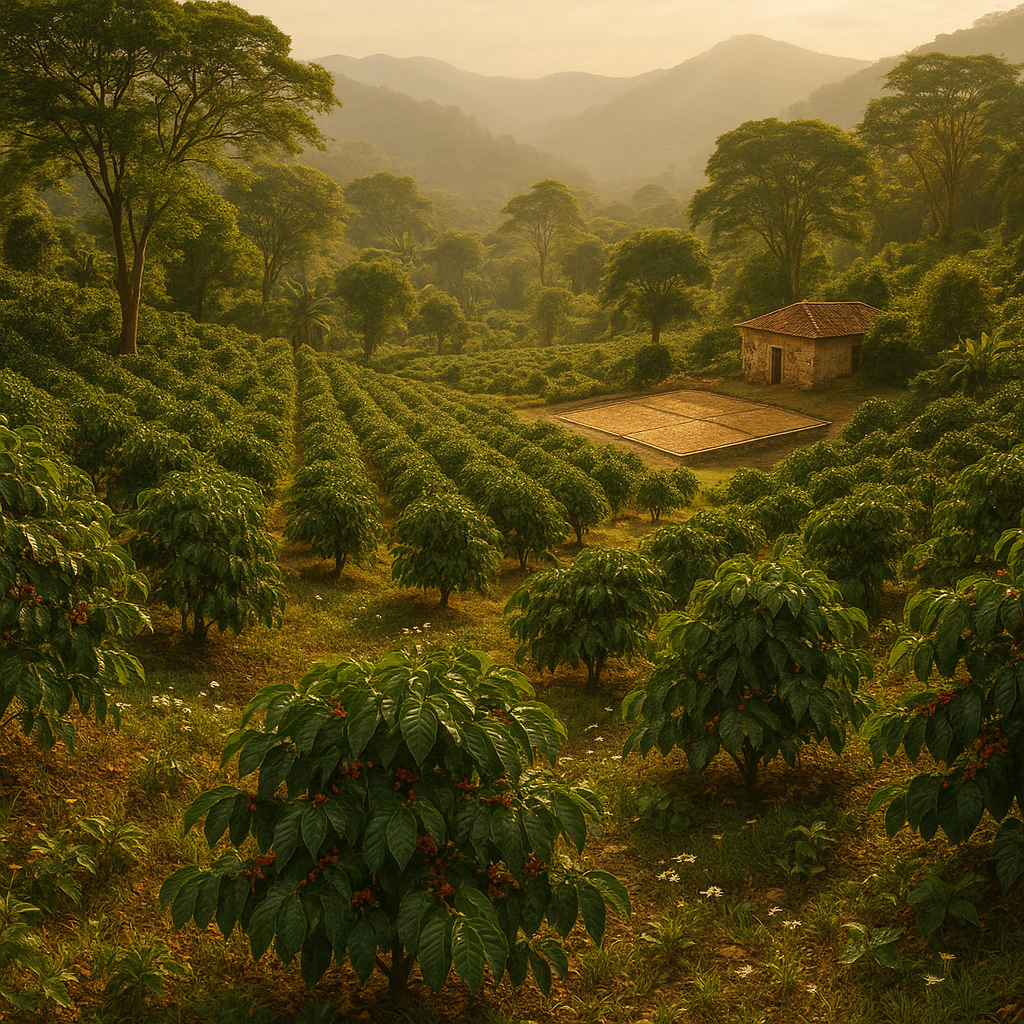
Nicaragua adopted Pacamara enthusiastically in the 1980s and 1990s, and the variety found a particularly welcoming terroir in the Jinotega department — a mountainous region in northern Nicaragua where cloud forest and coffee cultivation exist side by side. The shade-grown tradition here is not a marketing term but a function of the ecosystem. The trees that shade the coffee farms are the same trees that shelter the local wildlife and regulate the watershed.
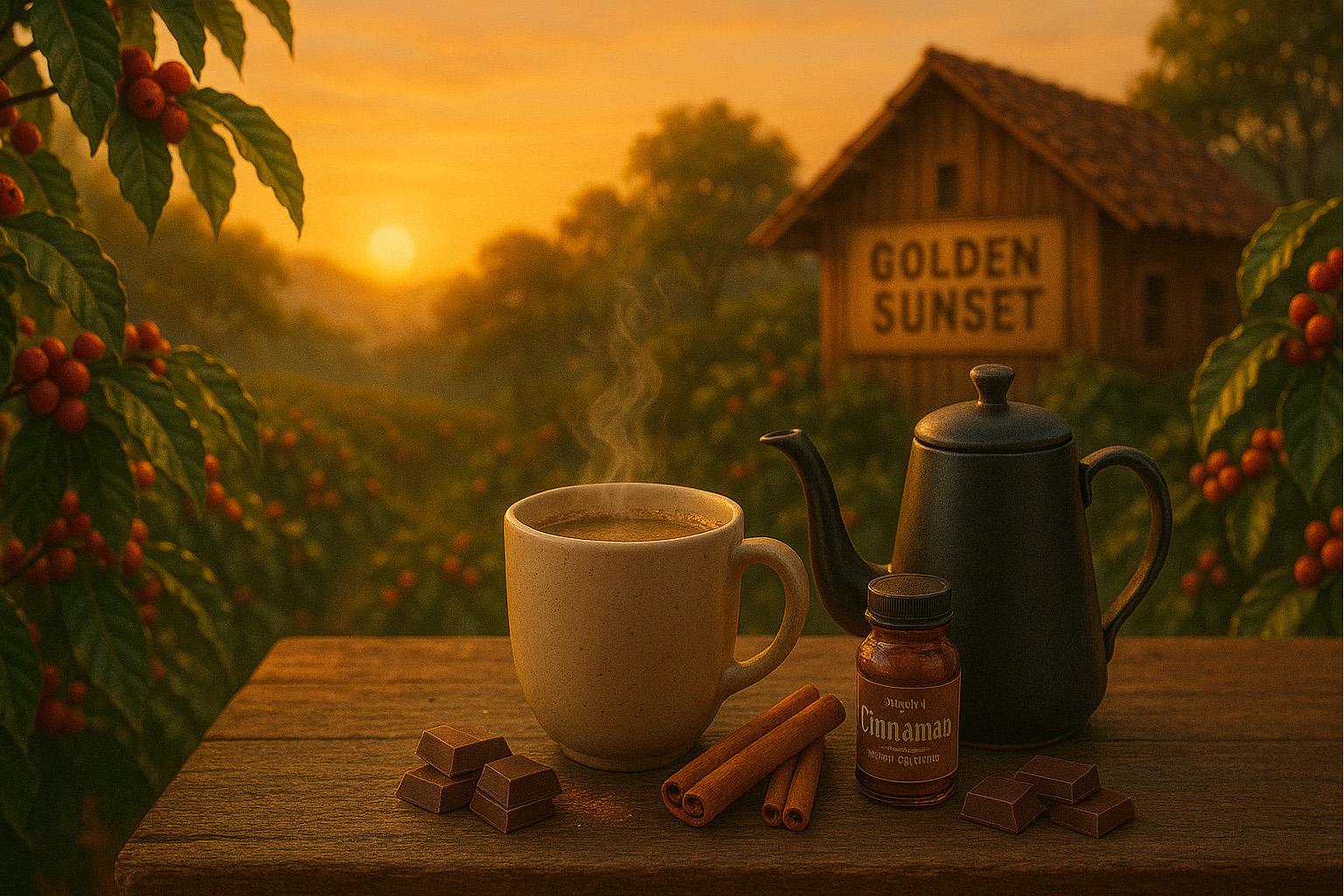
The Coffee Power Nicaragua Pacamara is washed-processed, allowing the varietal's natural character to express fully without the additional sweetness of honey or natural processing. What emerges is stone fruit brightness — peach and nectarine — underpinned by dark chocolate depth and brown sugar sweetness. The Pacamara's large bean size means longer contact time during brewing, rewarding those who slow down their extraction a little.
Chris Rosas has a particular affection for this coffee. "Pacamara is the gentle giant," he says. "Everything about it is generous — the size of the beans, the weight of the body, the sweetness of the finish. It doesn't show off. It just gives." We've been sourcing from the same three farms in Jinotega for four consecutive harvests. Consistency matters in relationships as much as in coffee.